
Pagani Huayra 2011–2018

Production year
2011–2018
Engine type
V12 TT
Engine name
M158 AMG
Max Speed
360 km/h
Power
730 hp
Max RPM
6000
0-100 km/h
3.3 sec
Torque Peak
1100 Nm
Transmission
7-MT
Weight
1350 kg
Layout
MR
Number Produced
100
Manufactured in
Italy
“Lavish interior and high performance. A high-class supercar that epitomes high quality.”
The Argentine businessman Horacio Pagani has a background as a designer who also worked on the Countach Anniversary. He later established the Automobili Pagani in Modena of Italy and, in 1999, announced the first supercar designed by his company.
The car, named the Zonda, was developed with another famous Argentine, the legendary racing driver Juan Manuel Fangio as the advisor, and was a car that focused purely on driving performance.
It was an extremely expensive, limited production car, but it was proven on the track, even recording the fastest lap time on the famous Nürburgring. The car was highly regarded by many and the planned production lot was sold out immediately.
The heir to the Zonda appearing in 2011, was this Huayra.
It is named after Wayra Tata, the Quechua (indigenous South American) wind god.
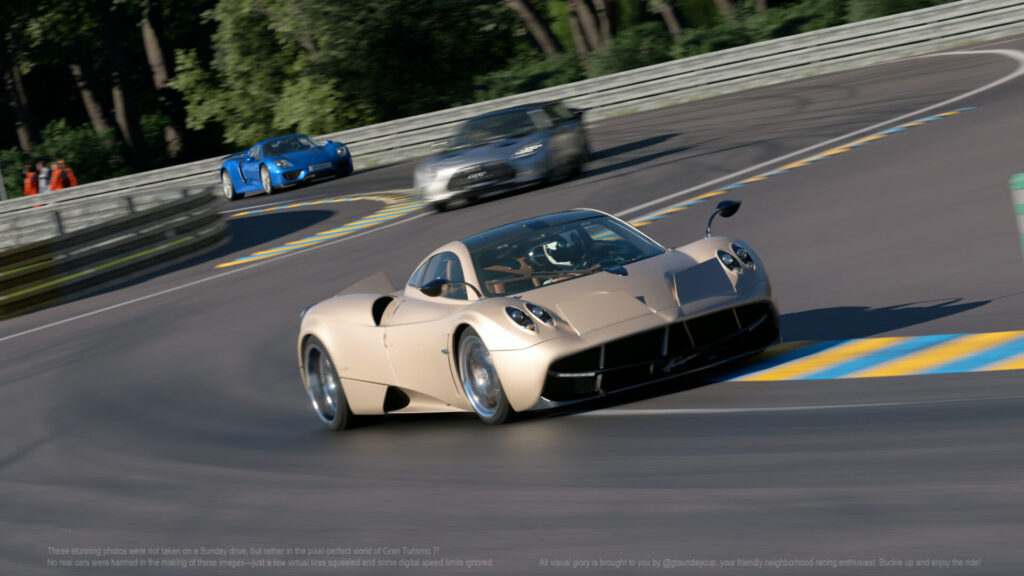
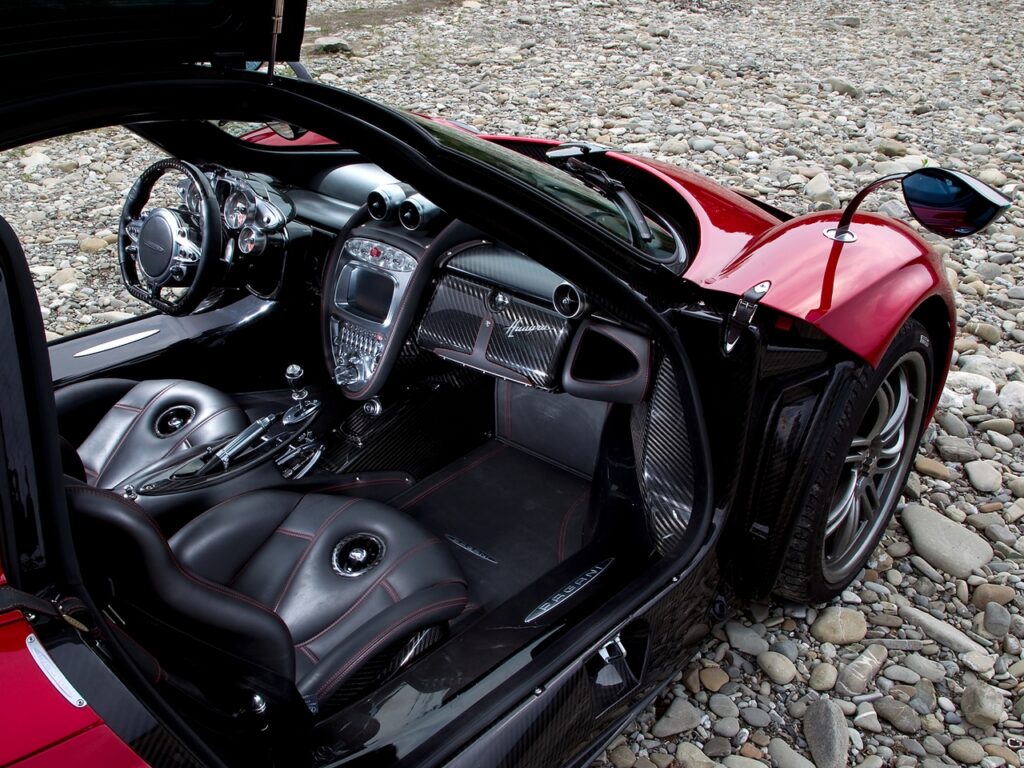
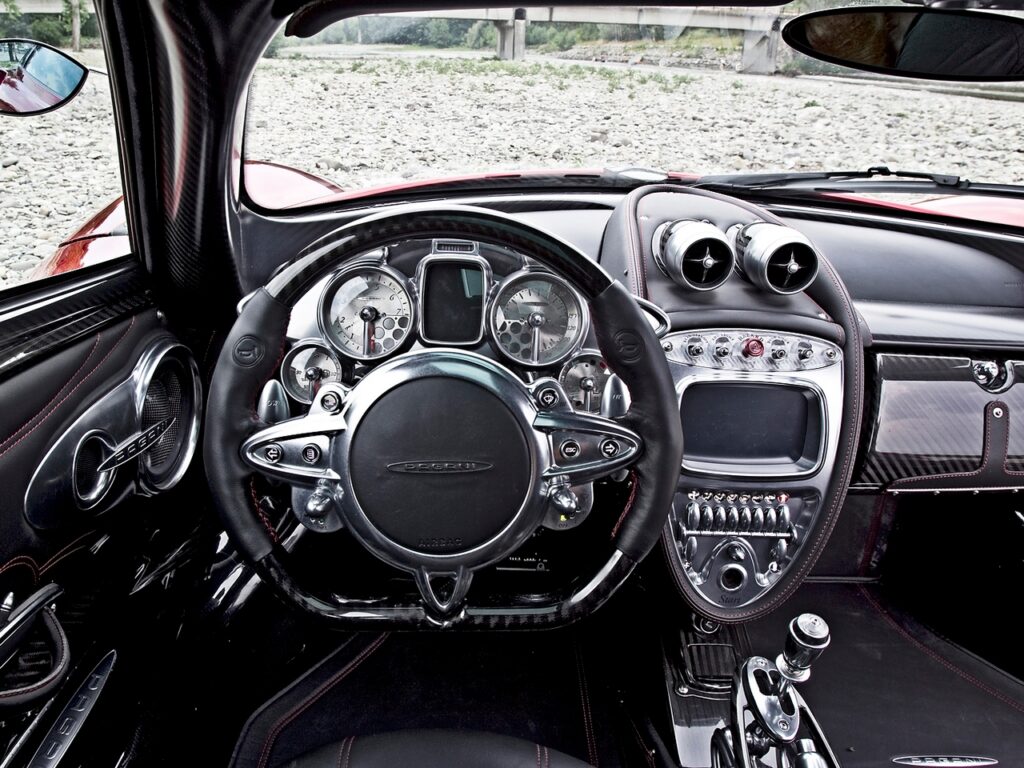
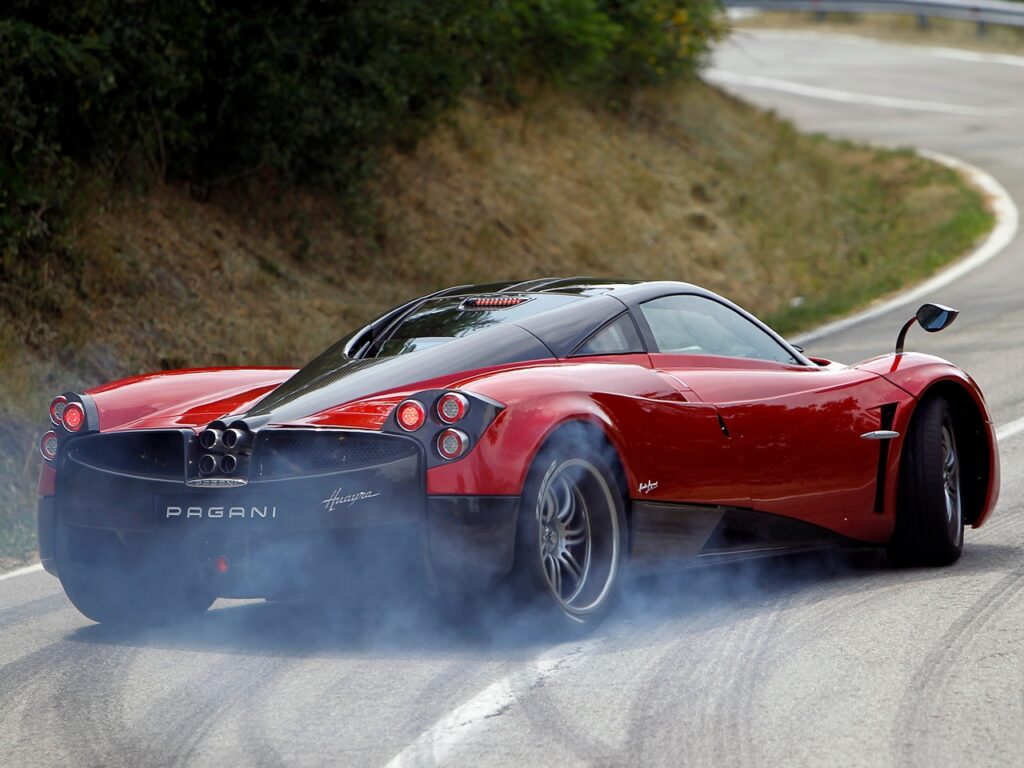
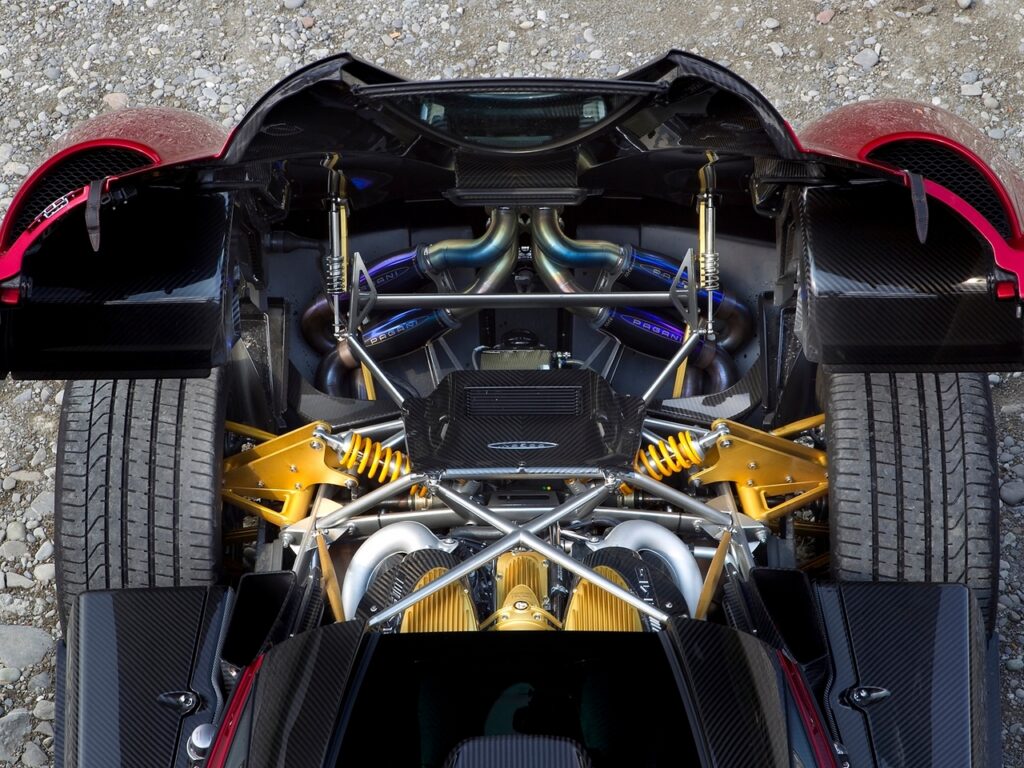
On a newly developed monocoque frame combining carbon and titanium are mounted gull-wing doors carried over from the Zonda. In contrast to the sharp, edgy design of the Zonda, the Huayra adopts beautiful flowing lines. It is a car that combines the highest quality with sports performance; its mostly carbon body is combined with a luxurious interior which combines leather, aluminum and carbon. In terms of aerodynamics, the four variable flaps at the front and back of the car automatically adjust downforce and also serve as air brakes.
The engine powering the car is the same 6 L AMG V12 as in the Zonda, but twin turbos have been added for more power. It produces 690 BHP and 102 kgfm torque, and is combined with a 7-speed sequential transmission. With a 0–100 km/h acceleration of ~3.3 seconds and a top speed of ~378 km/h, it shows a level of performance that even the old-school supercar brands have come to note.
Reply